
First property investment in Dubai: checklist for Moroccan investors
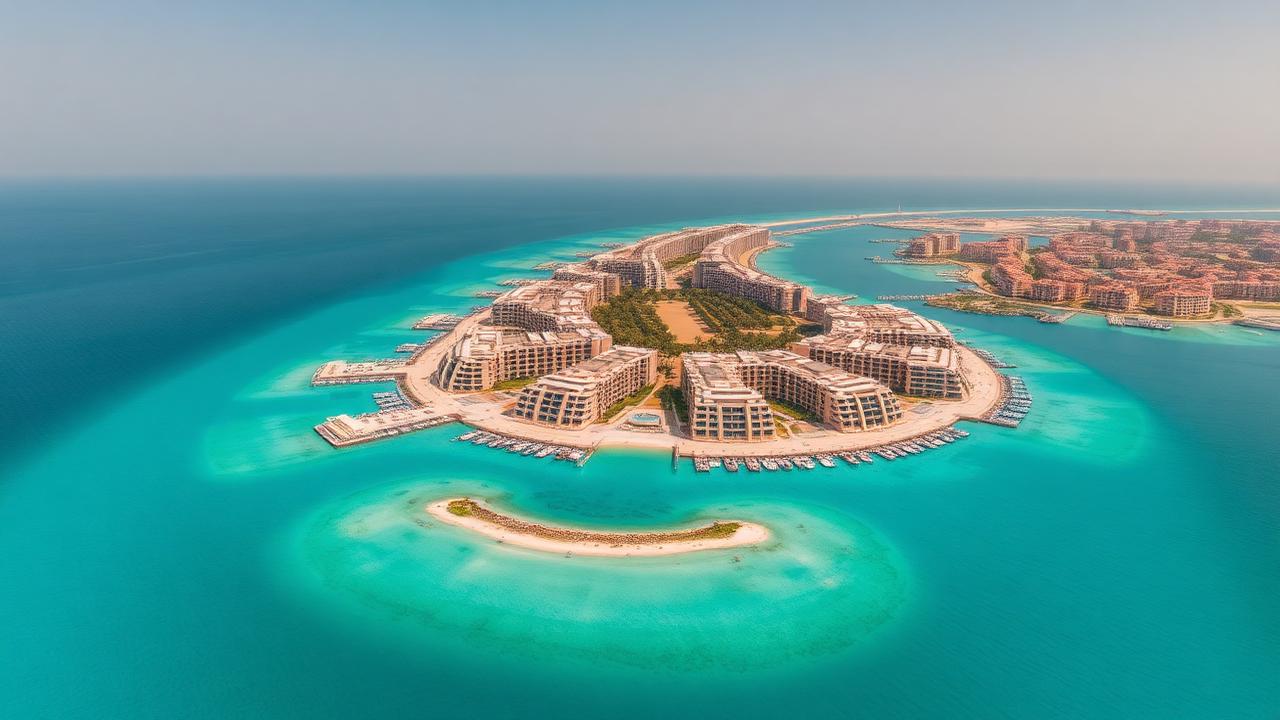
A first property investment abroad requires careful planning. This checklist provides a structured overview of the key steps for a Moroccan investor planning to purchase a property in Dubai, without addressing individual circumstances that depend on your personal profile.
Step 1 — Clarify your objective
- Are you primarily seeking recurring rental yields or capital appreciation upon resale?
- Is the property intended for rental, occasional personal use, or a mix of both?
- What is your investment horizon (3 years, 5 years, 10 years or more)?
Step 2 — Define your budget
Your overall budget goes beyond the purchase price. You must account for transfer fees (typically 4% to the DLD), agency fees, service charges, and any payment-related costs. These items should be planned alongside the developer payment plan, detailed in our off-plan property guide in Dubai.
Step 3 — Choose the property type and location
Studio, 1-bedroom, 2-bedroom, or villa: the property type depends on your budget, goals, and target area. Tenant profiles (tourists, expatriate professionals, families) vary significantly from one district to another. For a complete overview, read our guide on the best neighbourhoods to invest in Dubai.
Step 4 — Off-plan vs. ready property
Off-plan allows for a staggered cash outlay with extended developer schedules, but requires patience before leasing. A ready property provides immediate rental income, often at a higher entry price. Our guide to off-plan property covers this purchasing route in detail.
Step 5 — Secure the legal framework
- Verify that the project is registered with the Dubai Land Department and that payments are deposited into an approved escrow account.
- Review the Sale and Purchase Agreement (SPA) carefully, especially completion deadlines and resale conditions.
- Review the requirements on the Moroccan side (foreign asset declarations, Foreign Exchange Office rules).
- For property-related tax rules, consult our guide on property taxation in Dubai.
Step 6 — Complete the transaction
Most steps can be handled remotely: unit reservation, digital signing, advisory support, and power of attorney if required. Payments are arranged according to the investor's situation (Moroccan expatriates, authorized foreign currency accounts, or declared assets held abroad in compliance with applicable regulations). Working through a RERA-certified broker is strongly recommended to secure the process in Dubai.
Step 7 — Plan for property management
Once the property is handed over, tenancy management begins: long-term leasing (standard Ejari contract), short-term holiday rentals (subject to local permits), or turnkey management through a local agency. Each option involves specific yields, management requirements, and operating fees.
Key takeaways
A first-time investment in Dubai is best approached as a structured project: clear objectives, a defined budget, the right property choice, verified legal due diligence, and tenancy planning from day one. To explore the core market drivers, read our guide on reasons to invest in Dubai from Morocco.
Frequently asked questions
Where should I start for a first property investment in Dubai?+
Start by defining your budget and goals before viewing properties or meeting sales teams.
Do I need to travel to Dubai to buy?+
It is not required, though recommended for significant acquisitions, especially on the secondary market.
What documents do I need to prepare?+
A valid passport, proof of address, source of funds documentation, and compliance forms required by the developer.
How long does the property purchase process take?+
Timelines vary by property type and settlement terms; secondary market transactions are generally faster than an off-plan reservation cycle.