
Can a Moroccan Resident Buy Property in Dubai?
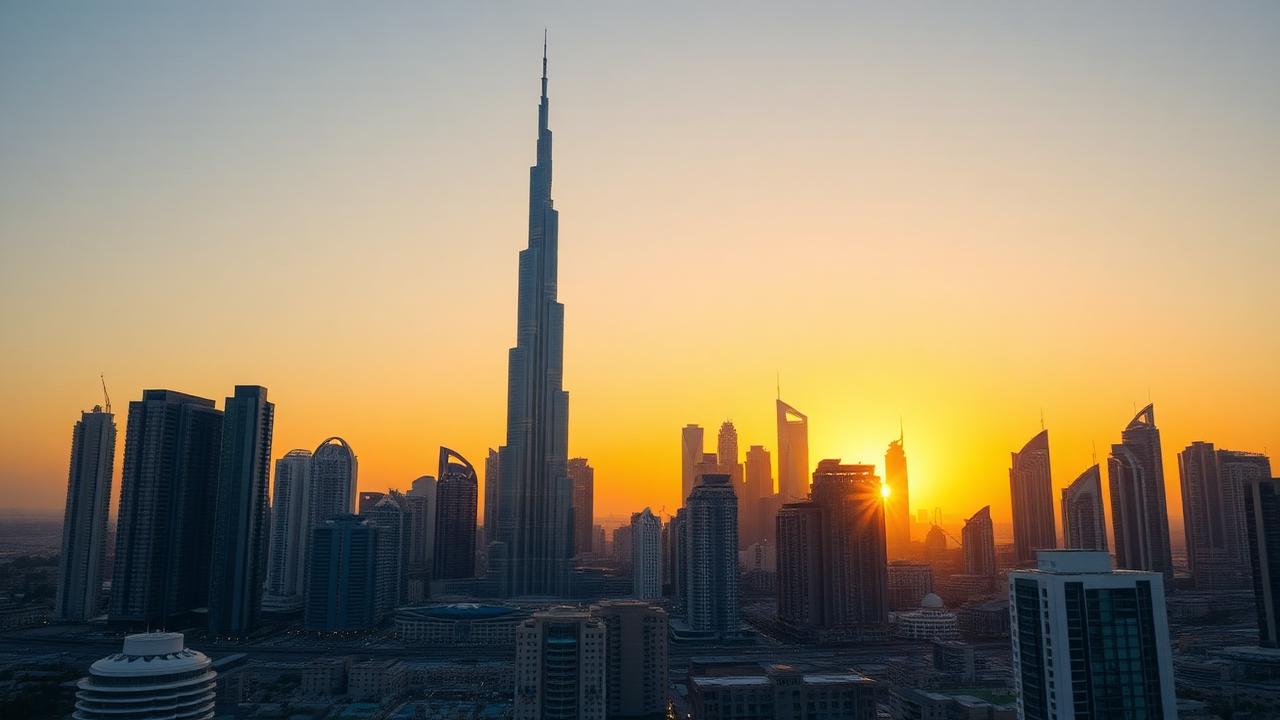
This is the first question Moroccan investors ask before even looking at a property: am I legally allowed to buy in Dubai? The short answer is yes, from the UAE perspective. The full answer requires distinguishing between two different legal frameworks: UAE regulations governing property ownership, and Moroccan regulations governing foreign exchange outflows.
On the UAE side: foreign property ownership has been open since 2002
Since 2002, Dubai has allowed non-UAE nationals—including non-residents—to acquire property on a full Freehold basis in designated areas across the emirate. Moroccan nationality carries no restrictions whatsoever: a Moroccan buyer purchases under the exact same terms as a French, British, or Indian national.
In practice, the buyer is registered as the legal owner with the Dubai Land Department (DLD), which issues a Title Deed in their name. This document, rather than a private sales agreement with a developer or an agency, is the definitive proof of ownership.
Freehold vs. Leasehold: understanding the distinction
- Freehold: full ownership with no time limit, which can be freely transferred, inherited, or resold. This is the legal regime in areas designated for foreign buyers (such as Dubai Marina, Downtown, Business Bay, JVC, Dubai Hills, and Palm Jumeirah).
- Leasehold: a long-term right of use for a specified period, typically up to 99 years. The underlying land remains the property of the freeholder.
- Before securing any reservation, confirm the project's legal tenure: the title type stated in the sales contract must align with what was presented to you.
A full breakdown of open zones and their positioning can be found in our guide to the best areas to invest in Dubai.
Do you need residency or a visa to buy?
No. Purchasing property in Dubai requires neither prior residency nor a visa. In fact, the reverse is true: qualifying property acquisitions can grant eligibility for a residency visa above certain investment thresholds. We cover this topic thoroughly in our guide to the Dubai Golden Visa for Moroccan investors.
On the Moroccan side: ownership is permitted, but foreign exchange transfers are regulated
This is where the real practical question arises for a Moroccan resident. Morocco enforces foreign exchange regulations administered by the Office des Changes: currency transfers originating from Morocco are strictly regulated and follow specific frameworks that are regularly updated.
This does not mean owning property abroad is prohibited; rather, it means funding an overseas purchase with transfers from Morocco is closely monitored. Depending on your status—resident in Morocco, Moroccan residing abroad, or holder of existing foreign currency funds—the practical approach varies significantly. Dubai Propertyz does not facilitate foreign exchange transactions: our advisory is tailored to non-resident Moroccans, individuals with legally held foreign assets or convertible currency accounts, and buyers utilizing developer payment plans. See overseas Moroccans investing in Dubai property.
The situation for Moroccans residing abroad
Moroccans living abroad whose income and savings originate overseas do not need to transfer funds out of Morocco to buy in Dubai: their buying process is far more straightforward. We have dedicated an entire guide to this profile: how non-resident Moroccans can invest in Dubai property.
Key checks before signing a contract
- Confirm that both the off-plan project and developer are registered with the DLD and regulated by RERA.
- Ensure the property is genuinely located within a designated Freehold zone open to foreign buyers.
- Check that all installment transfers for off-plan developments go directly into a regulated project escrow account.
- Verify that the origin and routing of your funds comply with the Moroccan foreign exchange rules applicable to your profile.
- Have your tax standing in Morocco assessed by a professional: foreign property holdings carry specific local reporting obligations.
Key Takeaways
Under UAE law, nothing prevents a Moroccan citizen from purchasing property in Dubai. The core preparation revolves around the source and route of your funds (overseas assets, non-resident status, or compliant foreign-currency accounts), structuring through direct developer payment plans, and adhering to Moroccan foreign exchange requirements. This should always be reviewed with an independent legal or tax adviser before committing to a reservation.
Frequently asked questions
Can a Moroccan buy an apartment in Dubai without UAE residency?+
Yes. Properties in designated Freehold areas are accessible to foreign non-residents. No UAE visa or prior residency permit is required to purchase and register property.
Do you need to set up a company to buy property in Dubai?+
No, individual ownership in your personal name is standard practice. While a corporate holding vehicle may suit specific estate planning strategies, it is not mandatory to acquire property.
Do Moroccan regulations prohibit buying real estate abroad?+
No. Moroccan law does not ban foreign property ownership, but it regulates outward foreign exchange transfers from Morocco. The key factor is confirming the origin and transfer route of funds according to your legal status.
What document proves property ownership in Dubai?+
The Title Deed issued by the Dubai Land Department. It serves as the sole official legal proof of ownership; a private reservation form or developer agreement cannot substitute for it.