
Why Moroccan Investors Are Turning to Dubai Real Estate
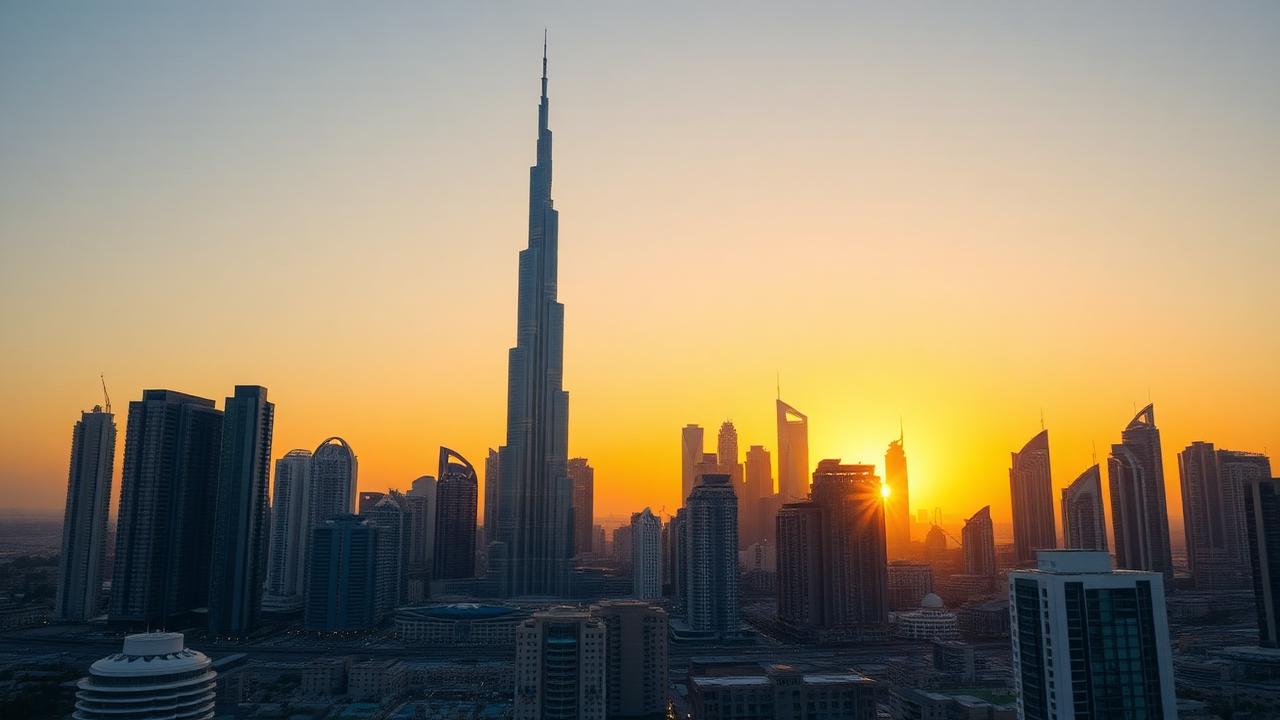
In recent years, Dubai has emerged as one of the top destinations for international property investors, and Moroccans are no exception. Between favorable tax conditions, a currency pegged to the US dollar, and an open market for foreign buyers, several clear factors explain this growing interest.
A Market Open to Foreign Buyers
Since 2002, the United Arab Emirates has allowed foreign nationals to purchase property on a Freehold basis in designated areas of Dubai. This includes highly sought-after neighborhoods such as Dubai Marina, Downtown, Business Bay, Jumeirah Village Circle, and Dubai Hills. In practice, a Moroccan investor can acquire full ownership of an apartment in Dubai across these areas.
Particularly Favorable Tax Conditions
This is one of the most frequently highlighted advantages: in Dubai, there is no personal income tax, no rental income tax for individual owners, and no capital gains tax on property. The primary costs are the transfer fees payable to the Dubai Land Department (typically 4% of the purchase price), along with administrative and agency fees. For an in-depth breakdown, read our dedicated article on Dubai property tax for Moroccan buyers.
A Stable Currency Pegged to the US Dollar
The UAE Dirham (AED) has been pegged to the US dollar since 1997 at a fixed rate of approximately 3.67 AED to 1 USD. For a Moroccan buyer, acquiring property in Dubai effectively provides exposure to the dollar, offering valuable diversification for a real estate portfolio previously concentrated in Moroccan Dirham.
Attractive Rental Yields
According to official reports from the Dubai Land Department and leading property portals (Bayut, Property Finder), gross rental yields in Dubai typically range between 5% and 8% annually, and even higher in select emerging districts. These figures consistently outperform the average yields found in most major European or Moroccan cities.
A Well-Structured Legal Framework
The property market is governed by two key authorities: the Dubai Land Department (DLD), which registers all property transactions, and the Real Estate Regulatory Agency (RERA), which regulates developers and brokers. Payments for new-build off-plan developments are held in regulated escrow accounts, ensuring high security for buyers.
A Strategic Portfolio Diversification
For many Moroccan property buyers, purchasing in Dubai represents a strategic diversification: geographic (expanding beyond the domestic market), asset-based (premium off-plan developments, short-term or long-term rental property), and currency-based (dollar exposure).
Key Points to Keep in Mind
- Developer and location selection is critical: not all projects offer the same rental potential or construction quality.
- Property markets operate in cycles; investing with a medium-to-long-term horizon is essential.
- Rental income earned abroad may still need to be declared in Morocco depending on your tax status: bespoke professional tax advice is recommended.
Where to Begin in Practice?
Before shortlisting properties, the first step is to clarify your actual budget, your primary objective (rental yields, capital appreciation, secondary home), and your time horizon. That is precisely what our guide to off-plan buying and free project finder help you achieve.
Frequently asked questions
Can a Moroccan citizen own property in Dubai?+
Yes, in designated Freehold areas open to foreign nationals since 2002. The title deed is registered directly in the buyer's name with the Dubai Land Department.
What rental yields can be expected in Dubai?+
Market data shows gross residential rental yields typically between 5% and 8%, with variations depending on the community and property type.
Is there tax on rental income in Dubai?+
The UAE does not tax personal rental income. However, your reporting obligations will depend on your country of tax residency.
What is the main risk when buying property in Dubai?+
Choosing the right project and developer, alongside navigating market cycles. A medium-to-long-term holding period is strongly advised.