
Short-Term Rentals in Dubai: The Complete Investor Guide
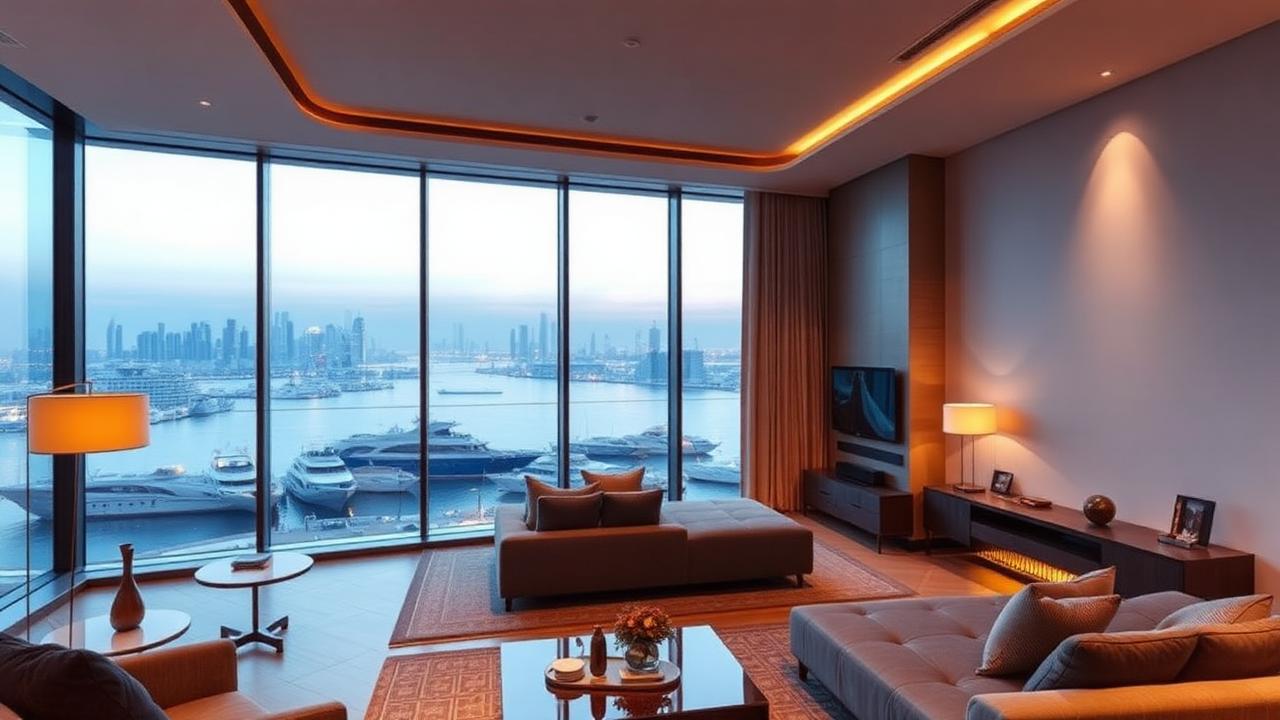
Short-term letting is one of the most sought-after strategies for overseas property buyers in Dubai: the city welcomes millions of visitors every year, and holiday rentals are fully permitted, provided they are officially registered. This pillar guide covers all the essentials—regulatory requirements, licensing, rental yields, operating expenses, and management options—and points you to our dedicated in-depth resources for every step.
Is short-term letting legal in Dubai?
Yes, but it is strictly regulated. In Dubai, operating a residential property as a holiday home requires a permit issued by the Department of Economy and Tourism (DET). Letting without a valid licence exposes owners to hefty fines. This represents a key distinction from many overseas property markets: the framework is well-defined, but full compliance is required from day one. You can review the exact steps in our guide on obtaining a holiday homes permit in Dubai.
Who is eligible to operate short-term rentals?
- The property owner directly, by securing an individual permit from the DET.
- A licensed property management company, running the unit on behalf of the owner under its corporate licence.
- In both scenarios, the building's homeowners association rules must allow holiday home operations: this must always be verified prior to acquisition.
Which locations generate the strongest rental demand?
Seasonal tenant demand is concentrated in prime tourist and prime business hubs: Dubai Marina, JBR, Downtown, Palm Jumeirah, and Business Bay. We examine these submarkets and their strategic positioning in our analysis of the best areas for short-term rentals in Dubai, which forms part of our broader overview of the best areas to buy property in Dubai.
Short-term vs. long-term rentals: what is the financial difference?
Holiday lets deliver higher gross revenue per night, but they also incur significantly heavier running costs and active operational oversight: housekeeping, laundry, booking platform fees, licensing costs, owner-paid utilities (DEWA) and internet, plus off-peak summer troughs. Standard long-term tenancies deliver more predictable, consistent rental yields. Our detailed financial assessment is available in our guide to short-term rental yields in Dubai.
Key operating cost items
- Full interior furnishing and fit-out (essential for premium holiday lets).
- Annual holiday home registration and administrative permit charges.
- Building service charges and utility bills (DEWA/Wi-Fi), entirely covered by the owner.
- Housekeeping turnover, professional linen cleaning, and guest toiletries.
- Listing platform commissions and, where applicable, third-party management agency fees.
Self-management vs. fully managed operations
Managing guest turnovers remotely from overseas is rarely practical without a dedicated on-site team. Most non-resident property owners retain a licensed operator who handles permits, marketing, key handovers, maintenance, and cleaning in exchange for a performance-based revenue cut. Key contractual considerations are detailed in our guide to holiday home property management in Dubai.
Tax considerations
Dubai levies zero personal income tax and zero tax on residential rental income for private individuals; however, a tourism dirham fee is collected from guests, and VAT may apply depending on the corporate operating vehicle. Depending on your primary country of tax residency, foreign rental proceeds may require local declaration: explore our review of real estate taxation in Dubai. Tailored cross-border professional tax advice is always recommended.
Key Takeaways
Operating a short-term rental property in Dubai is a fully recognized, high-potential strategy that can generate stronger cash flows than standard long lets, but it demands active operational rigour: mandatory permits, luxury staging, dynamic management, and seasonality management. It is best suited to prime prime-location units and investors ready to appoint a reliable on-ground operator.
Frequently asked questions
Do you need a permit to operate a short-term rental in Dubai?+
Yes. An official holiday home permit issued by the Department of Economy and Tourism is mandatory, whether you manage the residence personally or appoint a licensed property management firm to list it under their licence.
Can a non-resident foreign owner offer short-term rentals in Dubai?+
Yes, international property owners can operate holiday lets, most commonly by engaging an onshore licensed management operator to handle day-to-day hosting and compliance.
Are short-term rentals always more lucrative than annual tenancies?+
Not necessarily. While headline gross revenue is higher, operating expenses, platform commissions, and summer vacancy narrow the net margin. Net performance relies directly on building location, unit quality, and year-round occupancy.
When is the low season for short-term rentals in Dubai?+
The summer period (typically June through September) experiences lower demand due to high temperatures, whereas the peak season runs from October to April.